
Phobias
What Is a Phobia?
Common Types of Phobias
Phobias can involve many different fears, including:
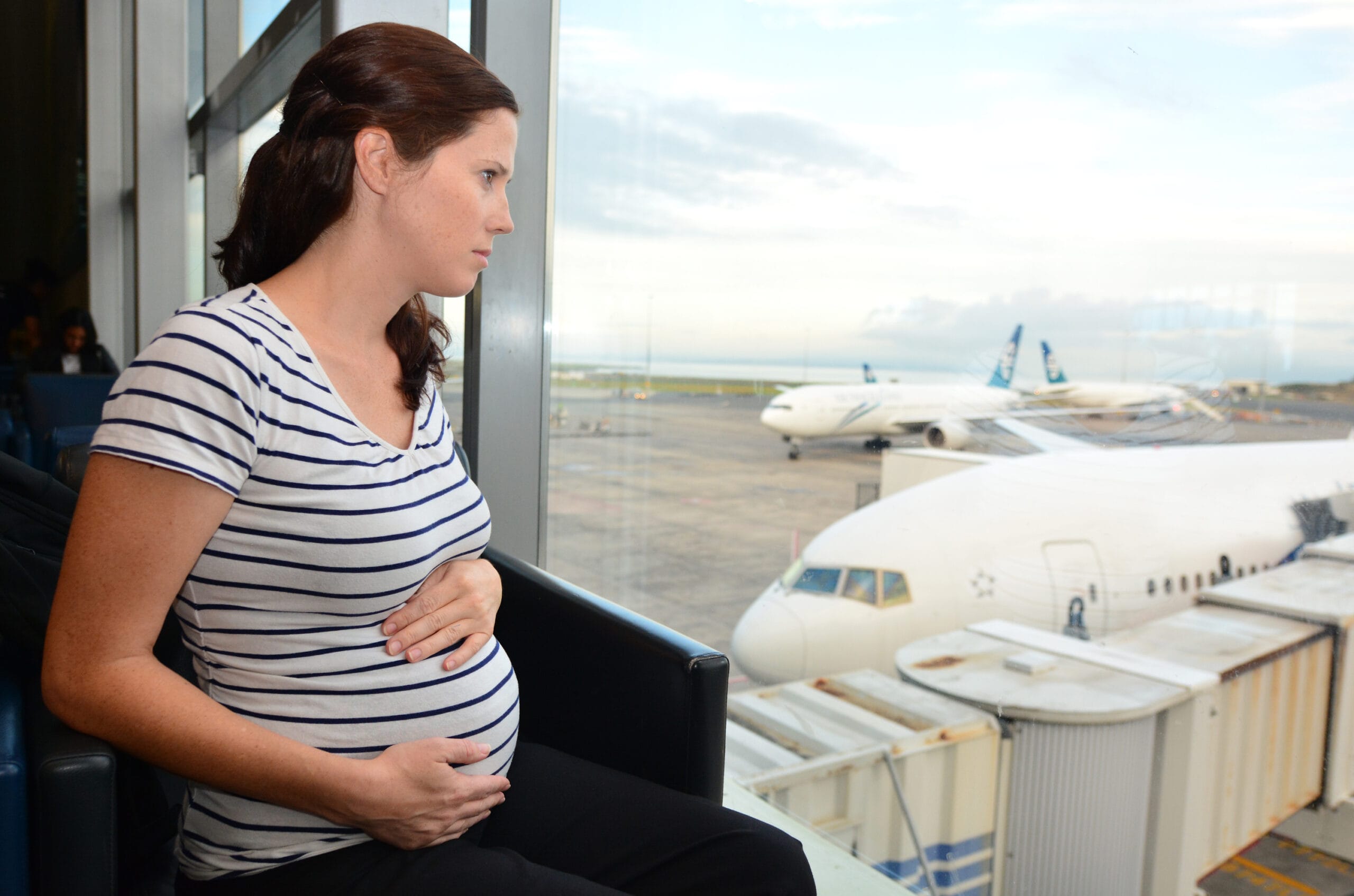
- Fear of flying
- Fear of heights
- Fear of needles or medical procedures
- Fear of enclosed spaces
- Fear of certain animals or insects
- Fear of driving
- Fear of public speaking or performing
- Fear of vomiting or becoming ill
Signs a Phobia May Be Affecting Your Life
A phobia may begin to interfere with your well-being if you notice:
- Intense fear when thinking about or encountering a specific trigger
- Avoiding places, events, or activities because of your fear
- Physical symptoms such as rapid heartbeat, sweating, shaking, dizziness, or shortness of breath
- Feeling overwhelmed or unable to control your anxiety
- Difficulty participating in work, school, parenting, or social activities
Phobias During Pregnancy and Parenthood
Pregnancy often brings new responsibilities and uncertainties. For some individuals, existing phobias may become more noticeable, while others may develop heightened fears related to pregnancy, medical appointments, or childbirth. These concerns can also occur alongside perinatal anxiety, making daily life feel more stressful.
Postpartum Anxiety and Ongoing Fear
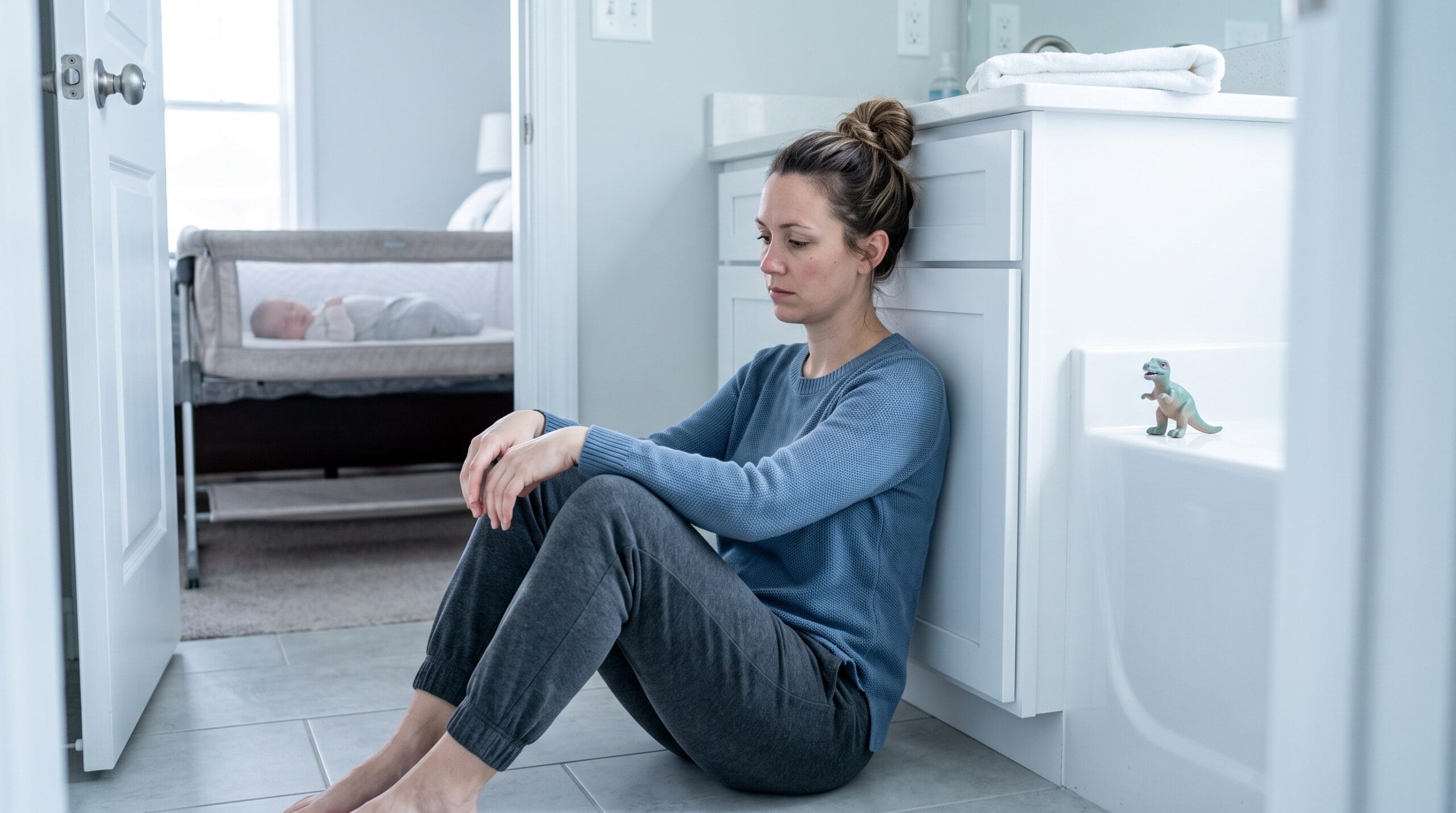
The transition into parenthood can bring significant emotional changes. Some parents experiencing postpartum anxiety may notice that existing fears feel more intense or begin avoiding certain situations because of overwhelming worry.
Maternal Anxiety and Parental Stress
Balancing the demands of caring for a child while managing a phobia can contribute to increased maternal anxiety and ongoing parental stress. When fear begins influencing daily decisions or limiting activities, therapy can provide practical strategies to help you move forward with greater confidence.
How Therapy Can Help
Depending on your needs, therapy may help you:
● Identify personal triggers and anxiety patterns
● Learn relaxation and grounding techniques
● Build confidence in situations that feel challenging
● Reduce avoidance behaviours
● Develop practical coping strategies for everyday situations
● Navigate anxiety related to perinatal anxiety, postpartum anxiety, maternal anxiety, and parental stress
When Should You Seek Support?
You may benefit from speaking with a therapist if:
● You regularly avoid situations because of anxiety.
● Your physical symptoms feel overwhelming.
● Your phobia is affecting your relationships, work, or parenting.
● You are also experiencing stress and anxiety.
Compassionate Support for Anxiety and Phobias
At Sage Mental Health & Maternal Wellness, we offer personalized counselling that respects your unique experiences and goals. Through evidence-informed therapy and compassionate care, we help individuals work toward greater emotional well-being while addressing anxiety,
phobias, perinatal anxiety, postpartum anxiety, maternal anxiety, and parental stress in a supportive, non-judgmental environment.

Your inner wisdom is our guiding light

Administration Hours
Monday: 8 am to 8 pm
Tuesday: 8 am to 8 pm
Wednesday: 8 am to 8 pm
Thursday: 8 am to 8 pm
Friday: 8 am to 8 pm
Saturday - Sunday
Closed